Sewage Treatment Plant (STP) Solutions
We provide comprehensive Sewage Treatment Plant (STP) solutions designed to treat domestic and municipal wastewater efficiently. Our STP systems help communities and businesses meet regulatory standards and protect the environment.
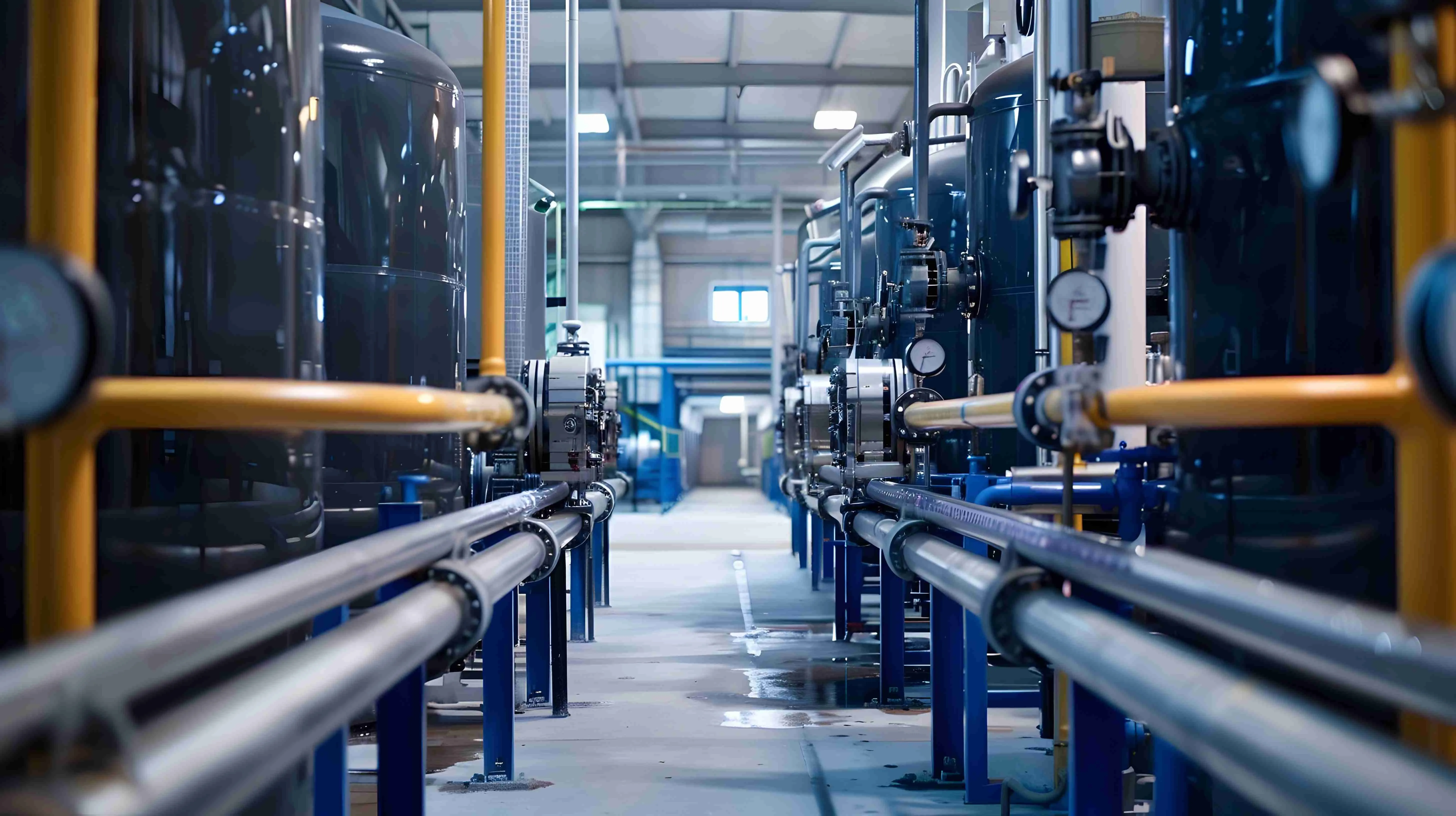
Images of STP
Types of STP
Modular Design
Modular STPs are pre-engineered, compact, and easy to install, making them ideal for areas with limited space.
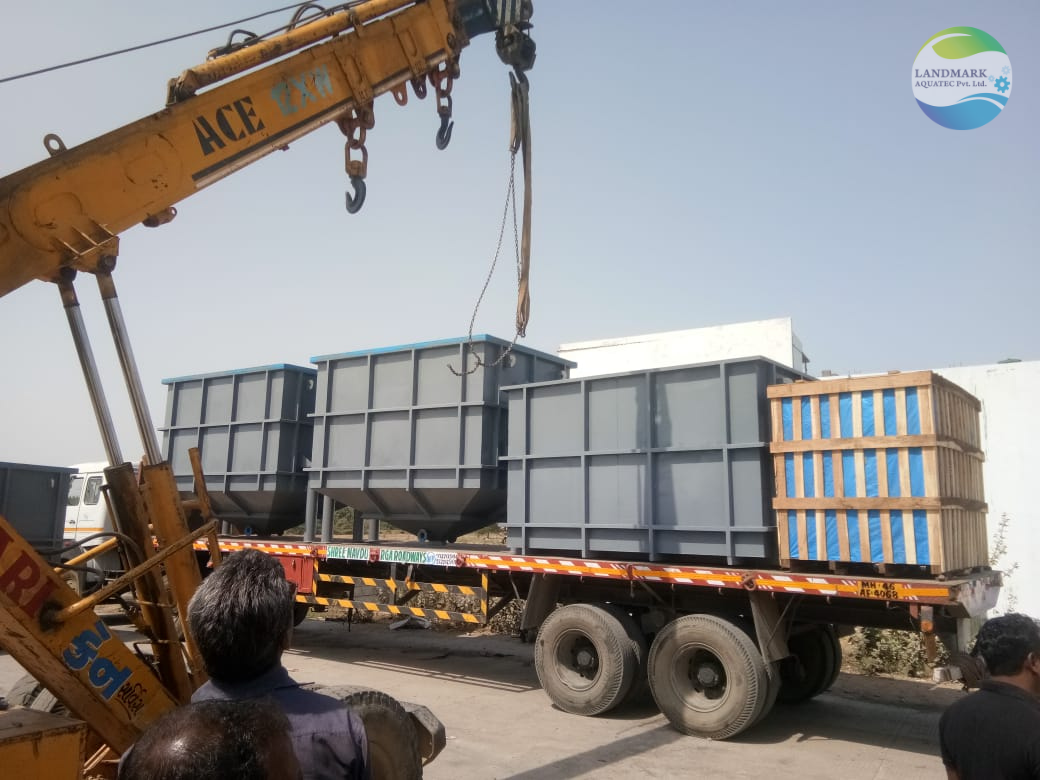
MBBR
This uses floating plastic media within aeration tanks to increase the surface area for microorganisms to break down organic matter.
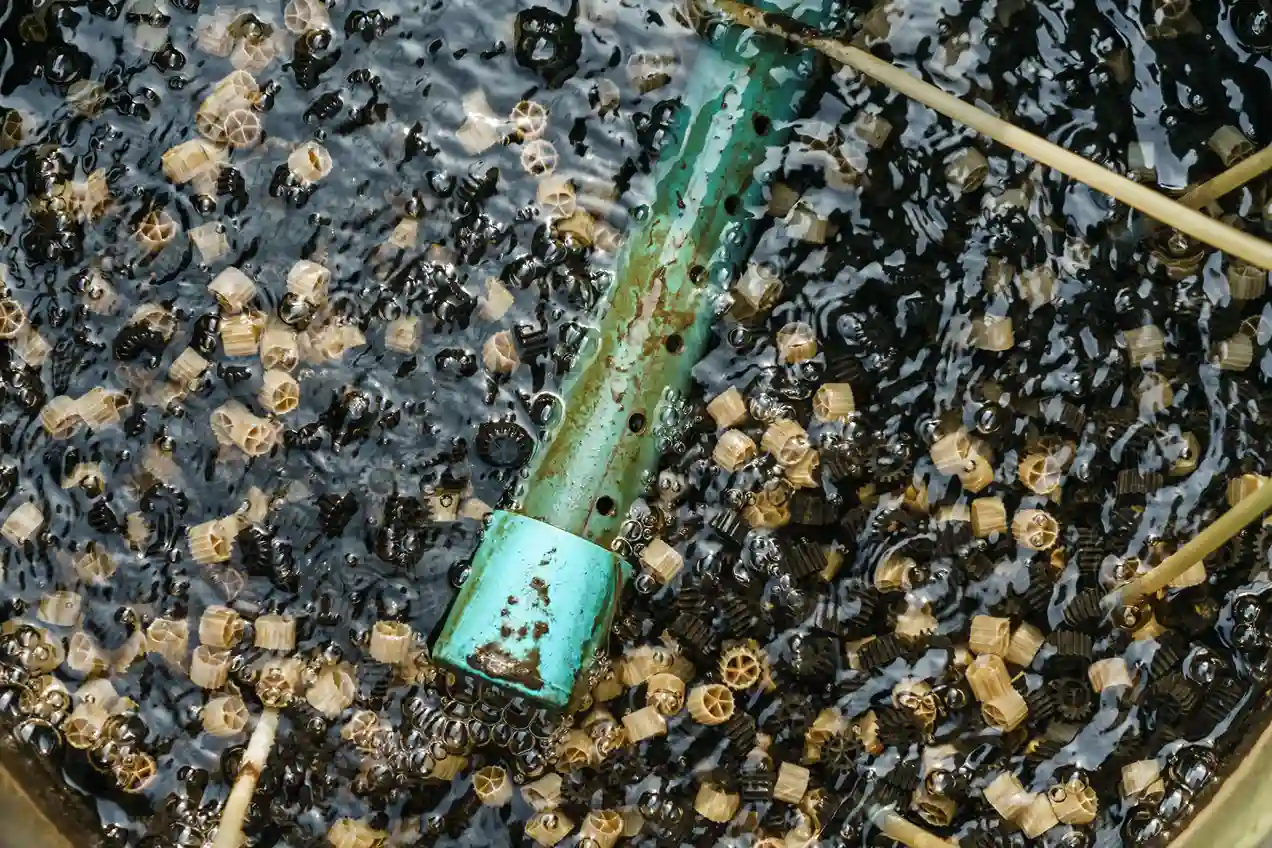
MBR
Membrane Bioreactor combines biological treatment and membrane filtration in a single process, producing high-quality treated water.
SBR
SBR systems treat wastewater in batches through aeration and settling phases. The cycle-based operation allows flexibility in handling variable flows, making it suitable for applications with fluctuating wastewater volumes, such as industries or small communities.
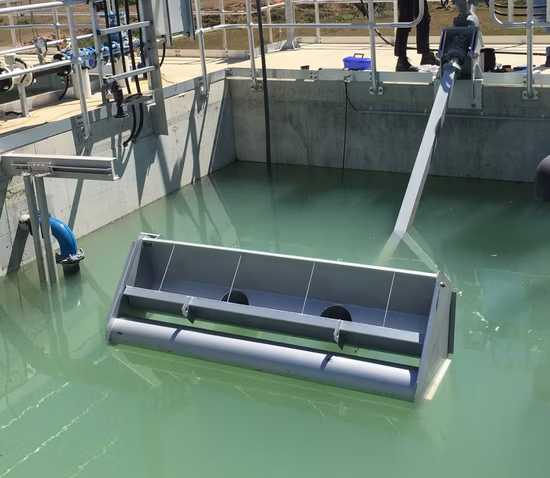
Economical STP
Designed to operate efficiently, reducing energy consumption and operational costs.
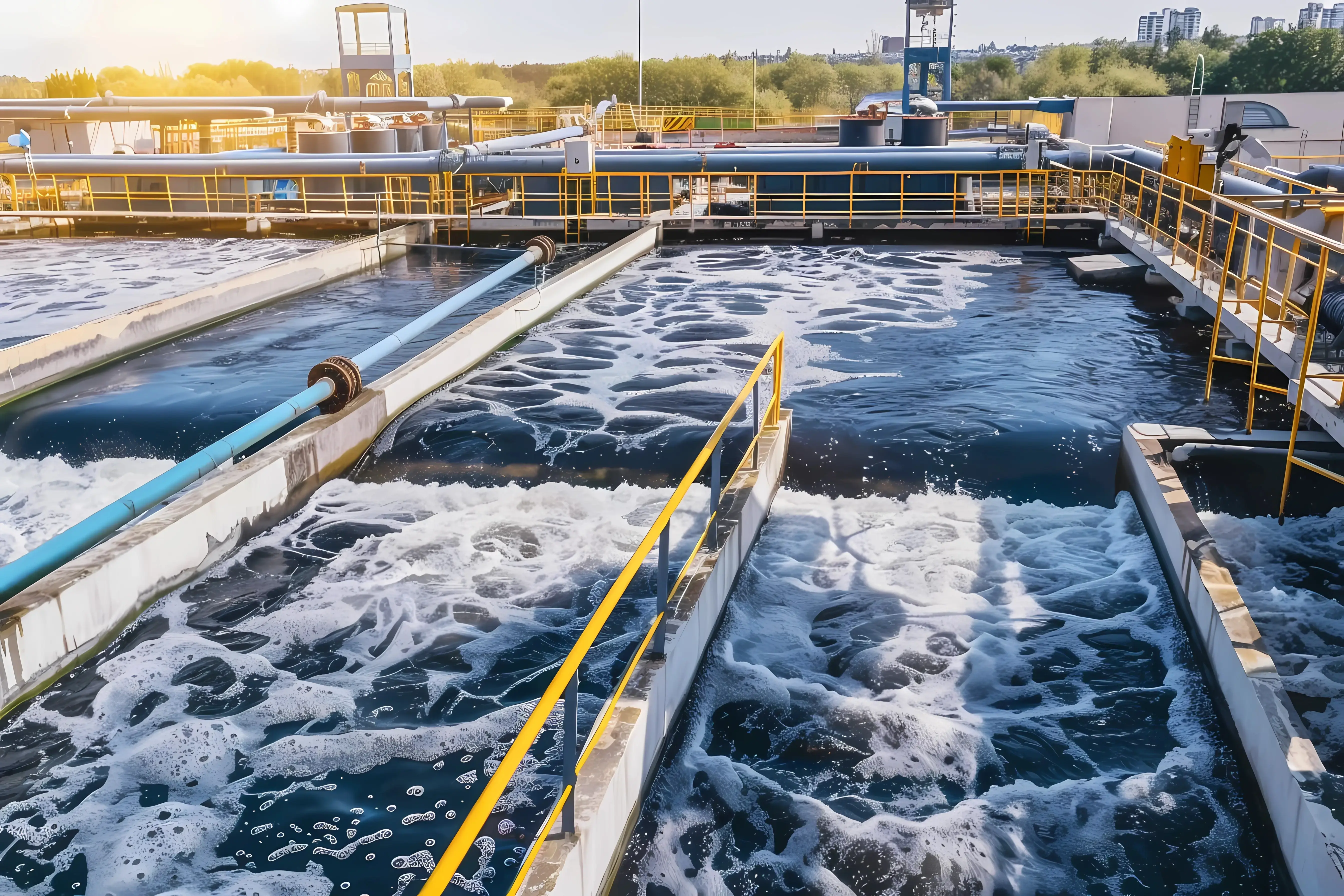
Applications
Residential Societies
Effective sewage treatment solutions for housing complexes and communities.
Commercial Establishments
Tailored STP systems for malls, hospitals, and other commercial buildings.
Municipalities
Large-scale STP systems for cities and towns.
FAQs
What is a Sewage Treatment Plant (STP), and how does it work?
An STP treats domestic sewage by removing contaminants through physical, biological, and chemical processes. It separates solids, breaks down organic matter, and disinfects water, making it safe for non-potable reuse like gardening or flushing.
Why is STP important for residential and commercial buildings?
STPs help manage wastewater responsibly, prevent pollution, meet environmental regulations, and enable water recycling—critical for sustainability in housing societies, hotels, and offices.
What are the different stages involved in STP?
Typical STP stages include preliminary treatment (screening), primary treatment (sedimentation), secondary treatment (biological processing), and tertiary treatment (disinfection or filtration) for final water polishing.
What capacity STPs do you offer?
We offer STPs from 1 KLD (kilolitre/day) to over 10 MLD (Million litre/day), tailored for residential complexes, commercial spaces, and industrial premises based on water inflow and occupancy.
How do you size an STP for an apartment complex or hotel?
STP size depends on daily wastewater generation, calculated based on the number of residents or rooms. Calculations are based on the NGT rulebook.
What is the difference between MBBR, SBR, and MBR-based STPs?
MBBR uses a moving bed bio-reactor, SBR treats sewage in timed batches, and MBR combines membranes with biological treatment. Each has its advantages based on site needs and quality goals.
Is treated sewage water safe for gardening and flushing?
Yes, properly treated water meets reuse standards and is safe for non-potable applications like irrigation, toilet flushing, and landscaping, helping conserve fresh water.
What is the maintenance frequency of an STP?
STPs require to be operated, monitored & maintained 24x7 for system health, weekly for major equipment, and quarterly or annually for servicing, depending on usage and technology.
Do you provide fully automated or IoT-based STPs?
Yes, we offer advanced STPs with automation, MATRIX, and IoT capabilities for real-time monitoring, eliminating manpower, and optimized performance with alerts and remote access & control.
Can STPs be retrofitted in existing buildings?
Absolutely. We offer compact, modular systems that can be retrofitted in basements, parking areas, or open spaces with minimal civil changes and downtime.