IoT in Sewage Treatment Plant (STP) & Effluent Treatment Plant (ETP) Wastewater Management: Smart Monitoring Explained
Published on
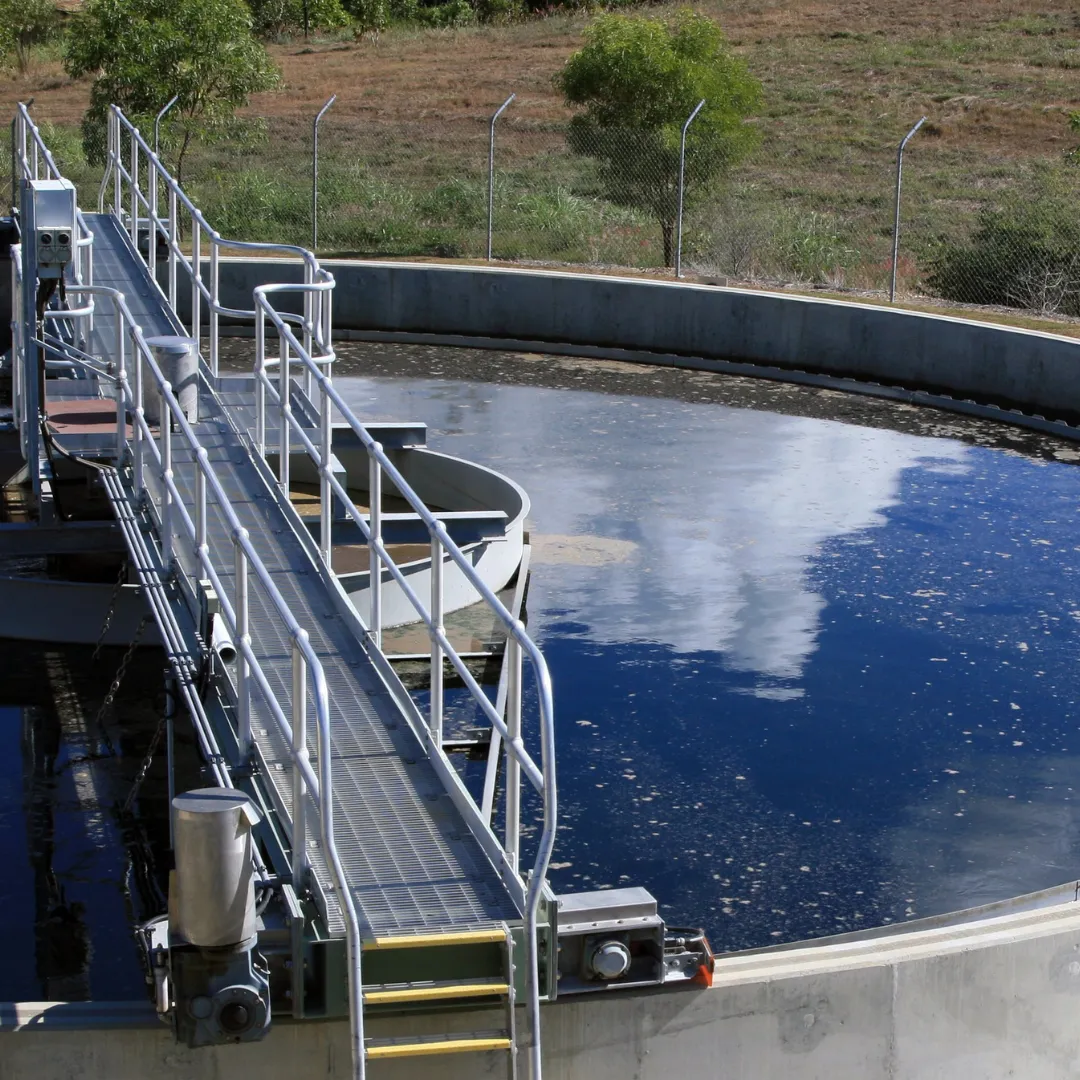
In today’s rapidly industrializing world, effective management of wastewater is paramount. Traditional methods often fall short in providing real-time insights, leading to inefficiencies and environmental concerns. Enter the Internet of Things (IoT)—a transformative technology reshaping how industries monitor and manage wastewater.
Understanding Industrial Wastewater Challenges
Industrial processes generate vast amounts of wastewater containing pollutants like:
- Heavy metals
- Chemicals
- Organic matter
Managing this wastewater is critical to:
- Prevent environmental degradation
- Enable recycle & reuse
- Comply with stringent regulations
Traditional monitoring methods are often reactive—identifying issues only after they escalate.
The Role of IoT in Wastewater Management
IoT refers to a network of interconnected devices that collect and exchange data. In wastewater management, IoT enables:
- Real-time monitoring
- Predictive maintenance
- Efficient resource utilization
Key Components:
- Sensors: Measure parameters like pH, temperature, turbidity, treated water flow, BOD (Biological Oxygen Demand), COD (Chemical Oxygen Demand), and chemical concentrations.
- Connectivity: Protocols like LPWAN, NB-IoT, and LTE-M transmit data securely and efficiently.
- Data Analytics: Processes the collected data to deliver actionable insights.
- Actuators: Trigger automated responses based on anomalies or system requirements.
Benefits of IoT in Wastewater Management
1. Real-Time Monitoring
IoT devices continuously track water quality, enabling immediate detection of deviations. This proactive approach ensures timely intervention, preventing environmental damage and avoiding penalties.
2. Predictive Maintenance
Analyzing equipment performance data helps predict failures before they happen—reducing downtime and extending asset life.
3. Resource Optimization
Smart monitoring enables efficient chemical and energy usage by adjusting treatment processes dynamically, resulting in cost savings and environmental sustainability.
4. Regulatory Compliance
Automated data logging and reporting simplify regulatory compliance by ensuring consistent adherence to discharge standards.
Implementing IoT in Wastewater Management
Step 1: Assessment
Identify gaps in the current wastewater treatment process where IoT can add value.
Step 2: Sensor Deployment
Install appropriate sensors at key stages to monitor vital water quality parameters.
Step 3: Connectivity Setup
Set up reliable and secure data transmission networks to relay sensor data in real-time.
Step 4: Data Analytics Integration
Use data analytics platforms to process sensor inputs and generate insights for action.
Step 5: Automation
Introduce actuators and control systems to respond to anomalies automatically—improving responsiveness and reducing manual intervention.
Case Studies
Case Study 1: Chemical Processing Facility
A chemical plant integrated IoT systems to monitor effluent pH and temperature. Predictive analytics flagged potential pump failure, enabling maintenance before breakdown and reducing downtime by 30%.
Challenges and Considerations
🔒 Data Security
Cybersecurity is critical. Use robust encryption, authentication mechanisms, and regular audits to protect sensitive data.
🔧 Integration with Legacy Systems
Integrating IoT with existing infrastructure may require custom adapters and planning to ensure compatibility.
💰 Initial Investment
While upfront costs may be significant, long-term savings in operational efficiency and regulatory compliance deliver high ROI.
Future Outlook
The adoption of IoT in wastewater management is set to become a standard industry practice. Emerging technologies like advanced sensors, AI, and machine learning will:
- Enhance real-time decision-making
- Optimize treatment cycles
- Support zero-discharge initiatives
Conclusion
Embracing IoT in STP & ETP operations ensures not only regulatory compliance and operational efficiency but also showcases a commitment to sustainable and responsible water management.
Industries that adopt smart monitoring today will be better prepared for the challenges of tomorrow—ushering in a cleaner, smarter future for wastewater treatment.